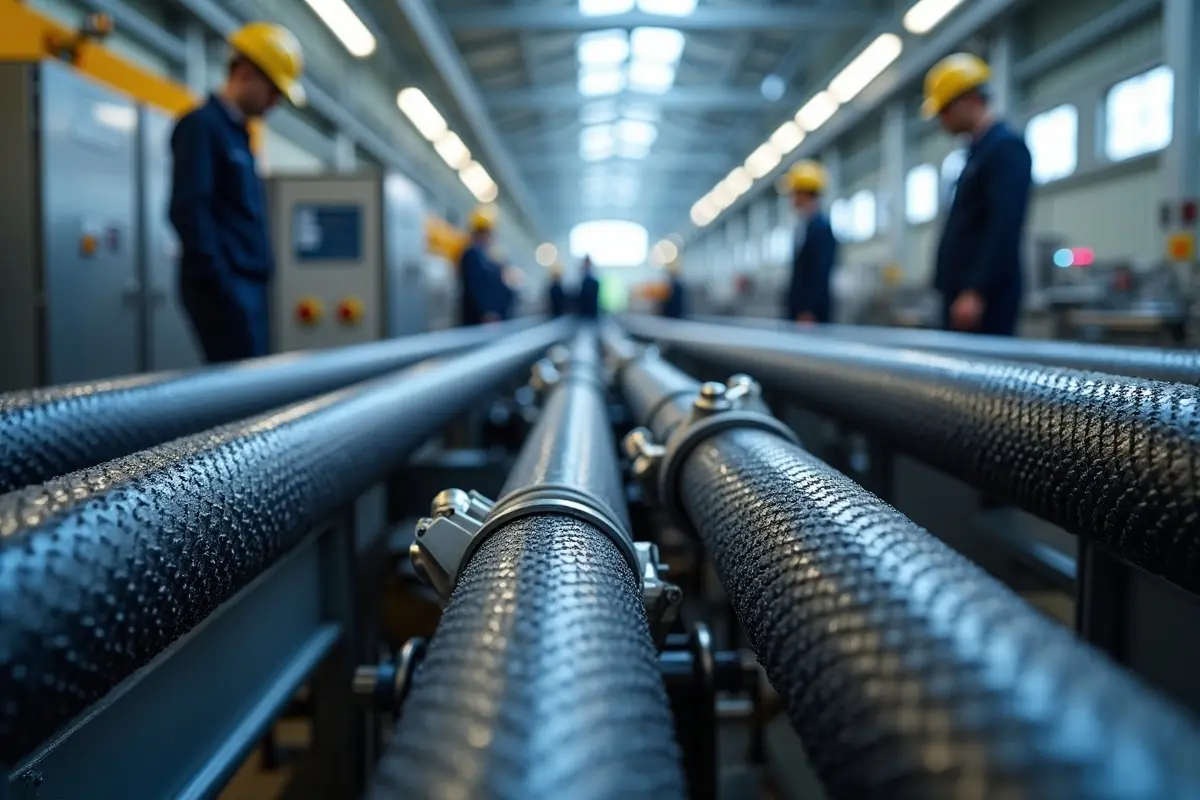
Hydraulic hose systems are an essential element for powering machinery in a wide variety of industries. They channel pressurized fluids to enable precise movements and operations, often in environments demanding high reliability and efficiency. Selecting quality hoses that match your system’s requirements ensures both safety and peak performance throughout the lifespan of the equipment.
Comprehending how hydraulic hose systems function, as well as the different types available, helps users make informed maintenance and replacement decisions. Regular upkeep and awareness of technological trends are key for anyone relying on these systems in daily operations. The knowledge shared in this article serves industrial users across fields like agriculture, manufacturing, and construction.
Proper hose selection and understanding of system components are critical for minimizing downtime and operational hazards. The right combination of hose type, system pressure, and installation methods supports greater efficiency and safety for workers and equipment alike.
For those interested in finding an array of industrial-grade hydraulic products, it is important to choose suppliers with broad inventories and robust technical support. This allows for tailoring solutions uniquely suited to various machine or factory setups.
Components of Hydraulic Hose Systems
Hydraulic hoses are engineered for durability and flexibility. Each hose is composed of several layers, each serving a distinct function:
- Inner Tube: This core layer directly contacts the hydraulic fluid and must be compatible with the fluid’s chemical properties to resist corrosion and breakdown.
- Reinforcement Layer: The strength of a hydraulic hose largely arises from its middle layer. Typically constructed of braided or spiral-wound wire, this layer carries the internal fluid pressure and provides flexibility.
- Outer Cover: This protective layer shields the hose from abrasion, chemicals, and extreme temperatures, ensuring reliable performance even in harsh environments. Regular inspection of the outer cover helps quickly identify signs of wear.
The effectiveness and lifespan of hydraulic hoses are directly linked to the quality and compatibility of these components. The correct reinforcement pattern, such as multiple wire coils for higher pressures, ensures proper performance according to industry standards. For further technical details about hydraulic system essentials, the Hose Assembly Tips resource provides comprehensive guidance.
Types of Hydraulic Hoses
Not all hydraulic hoses are the same. Depending on the intended use and operational environment, the three primary categories are:
- Rubber Hoses: These hoses offer excellent flexibility and durability, making them ideal for mobile equipment and industrial applications with frequent movement.
- Thermoplastic Hoses: Known for chemical resistance and lightweight properties, thermoplastic hoses work well in applications demanding reduced weight or where exposure to certain chemicals is an issue.
- Teflon (PTFE) Hoses: PTFE-lined hoses excel in high-temperature conditions and resist a wide spectrum of chemicals, making them suitable for specialized industrial environments.
Understanding the required operating pressure, exposure temperatures, and compatibility with specific fluids is fundamental for selecting the appropriate hose type for a given system. Ensuring the right match prevents early failures and maintains the safe transfer of hydraulic power.
Applications in Different Industries
Hydraulic hose systems provide critical functionality in many sectors:
- Construction: Used in equipment like excavators and backhoes, hydraulic hoses are key for manipulating heavy loads and materials safely.
- Agriculture: From tractors to sprayers and harvesters, hydraulics streamline operations and enhance productivity on farms.
- Manufacturing: Automation in assembly lines and robotics relies on hydraulics for repeatable, powerful movement.
- Transportation: Braking and steering systems in vehicles depend on hydraulic hoses for reliable, high-force delivery.
The adaptability of hydraulic hoses is a primary reason they are in demand across such diverse industries. As systems become more advanced, hoses must also evolve to meet new performance and durability standards. Explore more about industrial hydraulics and their impact across sectors at Hydraulics & Pneumatics Magazine.
Maintenance and Safety Practices
Maintaining hydraulic hose systems is essential for operational reliability and workplace safety. Key practices include:
- Inspection: Routine checks catch early signs of abrasion, leaks, or cracking. Proactively monitoring for these issues allows for replacement before a failure upsets operations.
- Replacement: Even the highest-quality hoses have recommended service lives. Replace them once signs of deterioration emerge to avoid catastrophic damage or injury.
- Proper Installation: Correct installation reduces the risk of hose movement, twisting, or chafing that can rapidly degrade hoses in operation. Always follow manufacturer guidelines and ensure correct fitting connections for optimal safety.
Following these guidelines helps businesses minimize repair costs while maximizing hydraulic equipment uptime.
Emerging Trends in Hydraulic Hose Technology
Advances in hydraulic technology continue to improve safety and efficiency in industrial applications. Key trends include:
- High-Pressure Hoses: The latest hoses can withstand significantly greater pressures, opening new possibilities for compact, high-power machinery.
- Smart Hoses: Sensor integration is becoming more common, allowing for real-time monitoring and predictive maintenance, which reduces unexpected breakdowns.
- Eco-Friendly Materials: Manufacturers are introducing materials with lower environmental impact, like biodegradable hydraulic fluids and recyclable hose components.
The ongoing development of smarter, more durable hoses ensures the industry can respond to increasing automation and regulatory scrutiny regarding environmental practices.
Conclusion
Hydraulic hose systems play a pivotal role in the smooth operation of modern industry. By understanding their composition, selecting the correct type for each application, performing regular maintenance, and staying informed on new technologies, industries can maximize efficiency and protect both their assets and workforce. Continued innovation in the field will keep enhancing reliability and reducing the environmental impact of hydraulic systems for years to come.