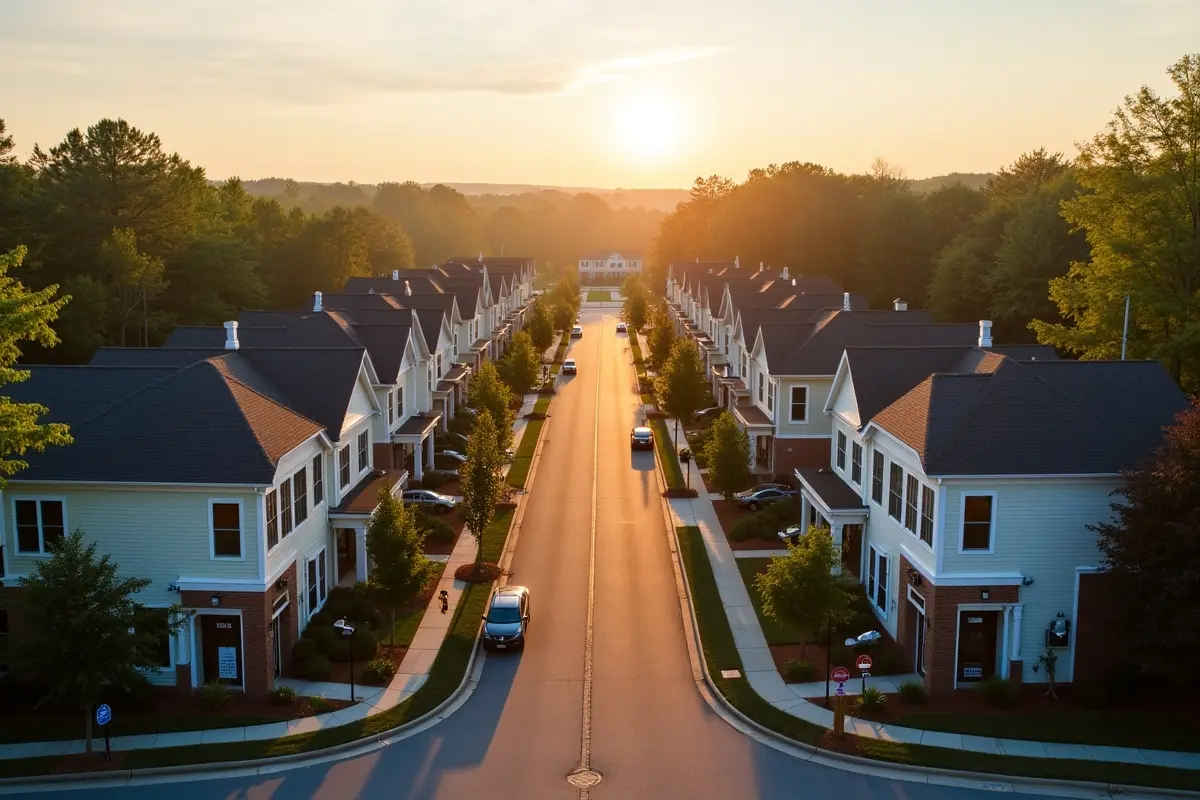
Buying in the Triangle means choosing more than a house. Raleigh, Durham, Cary, and Chapel Hill are connected by jobs, universities, roads, and regional amenities, but each creates a different version of everyday life. Buyers comparing several communities can benefit from working with Raleigh real estate agents at Spotlight Realty, a Triangle-focused team that helps clients buy and sell homes across Raleigh, Durham, Cary, Chapel Hill, and surrounding North Carolina communities. Its home search, valuation, and transaction support services are especially useful when a buyer is still deciding which part of the region fits best.
A home near a downtown restaurant district, a quiet cul-de-sac, a greenway, a major employer, or a university campus may all be located within the Triangle, yet those options can produce very different commutes, budgets, maintenance needs, and weekend routines. Before falling in love with a listing, compare the community behind it.
A Quick Lifestyle Comparison
- Raleigh: Best for buyers who want neighborhood variety, access to downtown, major roads, hospitals, universities, and a wide range of housing styles.
- Durham: Best for buyers drawn to a distinct city feel, independent businesses, historic areas, downtown energy, Duke, and nearby employment centers.
- Cary: Best for buyers who prefer a suburban setting with planned communities, parks, greenways, townhomes, and newer detached homes.
- Chapel Hill: Best for buyers who value a college-town atmosphere, access to UNC-Chapel Hill, established neighborhoods, trails, and mature landscaping.
None of these communities is a universal winner. A household commuting to downtown Raleigh may prioritize a different location than someone working near RTP, studying at UNC-Chapel Hill, or working most days remotely.
Raleigh: More Neighborhood Choices and City Access
Raleigh is often the starting point for Triangle buyers because it contains a large variety of living environments. Downtown and nearby neighborhoods can suit people who want restaurants, cultural venues, and shorter access to the city center. North Raleigh, West Raleigh, Brier Creek, Southeast Raleigh, and other areas provide different combinations of lot size, home age, road access, and neighborhood character.
For outdoor-minded buyers, Raleigh’s public greenway system connects parks and destinations throughout the city. Reviewing the Capital Area Greenway Trail System can help buyers distinguish between a home merely near green space and one with practical access to a route they may actually use for walking, cycling, or recreation.
Questions to Ask About Raleigh
- How long is the commute during the time you will actually travel?
- Do you want walkable access to daily needs, or do you prefer more separation from busy corridors?
- Would an older home’s character and potential renovation needs fit your budget?
- Does the neighborhood provide the yard, parking, storage, or transit access your household needs?
Durham: Character, Culture, and Neighborhood-by-Neighborhood Differences
Durham can feel notably different from Raleigh, even when the drive between destinations is manageable. Buyers may be drawn to downtown, historic neighborhoods, areas near Duke University, South Durham, or northern communities, but it is important to treat each area as its own market. Housing age, lot configuration, nearby commercial activity, and development patterns can change substantially within a few miles.
Older homes may offer details that newer construction does not, but buyers should evaluate systems, additions, permits, drainage, insulation, and likely maintenance with care. In areas experiencing redevelopment, visit on a weekday morning, after work, and on a weekend. That simple step can reveal traffic flow, noise levels, parking conditions, and how active the surrounding streets feel.
Questions to Ask About Durham
- Is the home convenient to Duke, downtown, RTP, or your primary workplace?
- Which repairs are immediate, and which can reasonably wait?
- Are nearby vacant parcels or construction sites likely to affect your experience?
- Does the neighborhood feel right at the times you expect to be home?
Cary: Planned Convenience and Everyday Outdoor Access
Cary is often considered by buyers seeking a more planned suburban environment. Many neighborhoods include sidewalks, shared amenities, townhomes, detached homes, and homeowner’s associations. These features can simplify certain aspects of daily life, but they also require careful review. HOA dues, rental restrictions, architectural rules, maintenance responsibilities, and potential assessments should be included in the financial conversation before an offer is written.
Outdoor access is a meaningful part of Cary’s appeal. The town reports more than 100 miles of paved greenways that link parks, neighborhoods, schools, shopping centers, and businesses. Buyers should still verify the specific route, crossings, lighting conditions, and distance from a property rather than relying on a map pin alone.
Questions to Ask About Cary
- Do the HOA rules support the way you want to use the property?
- Are community amenities worth the recurring dues?
- Which location best matches your commute to Raleigh, RTP, or elsewhere in the Triangle?
- Would a newer home’s layout and efficiency outweigh the appeal of an older, more established neighborhood?
Chapel Hill: Education, Trees, Trails, and Established Settings
Chapel Hill is a natural fit for buyers who want proximity to UNC-Chapel Hill, medical facilities, Franklin Street, Carrboro, and the broader university community. Its housing options include older detached homes, wooded lots, condos, townhomes, and established planned neighborhoods. Location matters greatly here, since access to campus, shopping, schools, and major roads can vary significantly from one area to the next.
Buyers considering older or wooded properties should look beyond curb appeal. Tree care, grading, drainage, driveway access, renovation limits, and the condition of original systems can affect ownership costs. Chapel Hill’s housing rules have also evolved to accommodate a wider range of housing types, so buyers should confirm the current zoning and property-specific requirements before planning an accessory unit, addition, or major renovation.
Build a Personal Triangle Homebuying Scorecard
Use a one-to-five rating for each community after touring homes. Keep the categories personal and practical:
- Monthly cost, including mortgage, taxes, insurance, HOA dues, and expected maintenance.
- Commute time during peak travel periods.
- Access to work, school, health care, shopping, and family.
- Housing type, layout, storage, yard, and parking.
- Walkability, parks, greenways, and outdoor space.
- Neighborhood atmosphere during the day, evening, and weekend.
- How well the property could serve your next five to seven years.
Final Takeaway
Raleigh, Durham, Cary, and Chapel Hill each offer a credible path to homeownership in the Triangle, but they solve different lifestyle needs. Raleigh provides breadth. Durham offers character and change. Cary emphasizes planned convenience. Chapel Hill brings an established, education-centered setting. Compare total costs, test the commute, visit more than once, and choose the place that supports your real routine after the excitement of move-in day has passed.