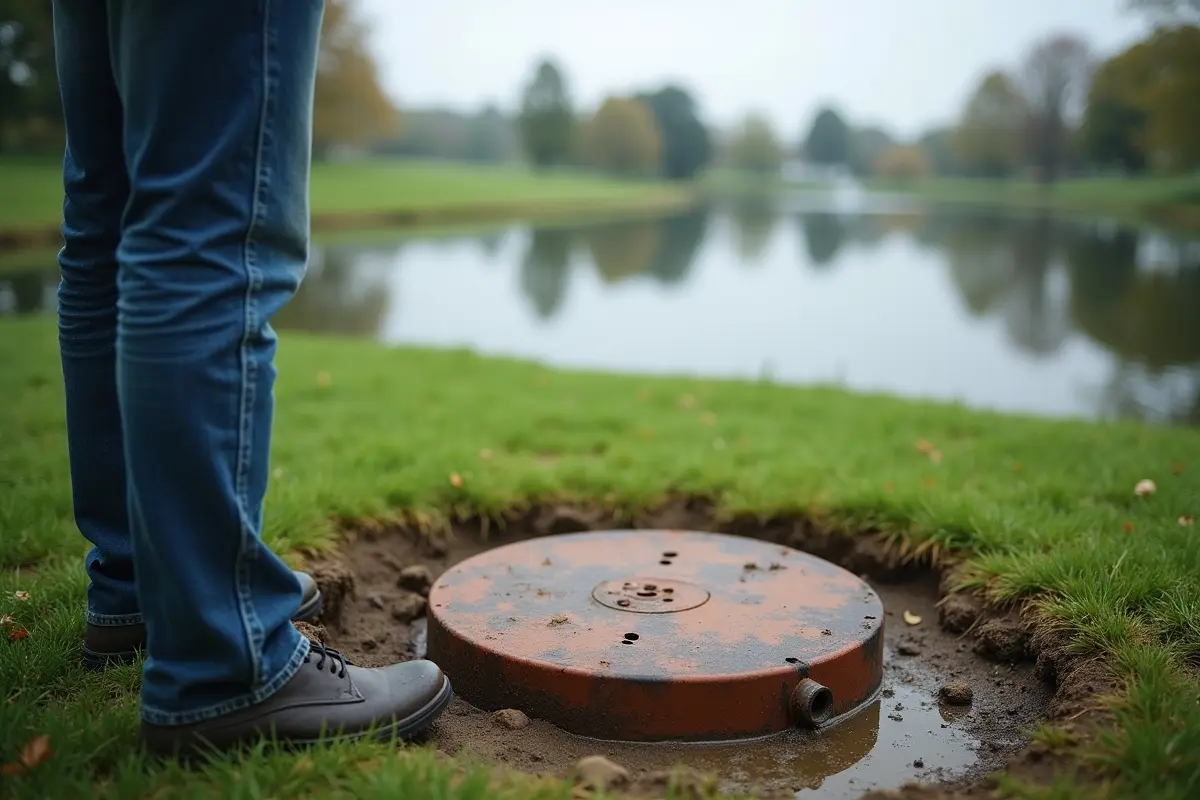
A septic system is more than an underground tank. It is a wastewater treatment setup that depends on the tank, treatment area, soil, water use, and ongoing care, all working together. For properties near sensitive waters or shallow groundwater, a nitrogen-reducing septic system may be one of several options to consider during a properly planned upgrade.
Most household systems move wastewater from the home to a septic tank, where solids settle, and lighter materials rise. The remaining liquid moves to a drainfield or other dispersal area for further treatment in the soil. However, soil cannot remove every pollutant in every location, particularly if a system is failing, overloaded, too close to water, or installed where soil conditions are limiting.
Why Septic Care Affects Water Quality
Wastewater can contain nutrients, bacteria, viruses, household chemicals, and other contaminants. A well-designed and maintained system reduces risk, but untreated or insufficiently treated wastewater can enter groundwater or move toward nearby water bodies. The EPA explains how septic systems can affect water sources, including private wells, streams, lakes, and coastal areas.
The concern is often cumulative. One household may create a limited impact, while many systems in the same watershed can add a substantial nutrient load. This is especially important in dense neighborhoods, communities near springs, and coastal areas where groundwater and surface water are closely connected.
Similar planning is important when a building has higher-than-household wastewater demands. Property owners considering commercial septic arrangements should account for expected occupancy, daily flow, maintenance needs, available land, and the treatment standards that apply to the site.
What Nitrogen Does in Water
Nitrogen is a naturally occurring nutrient found in human waste and household wastewater. In moderate amounts, nutrients support plant growth. In excess, they can fuel algae blooms that block sunlight and, as algae die and decompose, reduce dissolved oxygen in the water. Low oxygen can stress or kill fish and other aquatic life. Coastal waters are often particularly sensitive to nitrogen, while inland lakes and ponds can also be affected by nutrient pollution.
Everyday Habits That Reduce Septic Stress
- Repair dripping faucets and running toilets promptly.
- Spread laundry and dishwasher loads across the week instead of using large amounts of water at once.
- Choose efficient toilets, showerheads, and appliances when replacing older fixtures.
- Keep fats, oils, grease, paint, solvents, medications, and harsh chemicals out of drains.
- Flush only human waste and toilet paper.
- Do not rely on septic additives as a replacement for inspection or pumping.
- Direct roof runoff, gutters, and driveway drainage away from the drainfield.
- Keep vehicles, sheds, patios, pools, and heavy structures off the treatment area.
Maintenance Tasks to Put on the Calendar
Find and Save System Records
Keep permits, tank and drainfield locations, inspection reports, pumping receipts, repair invoices, and equipment manuals together. If records are missing, the local health department may be able to help identify available permit information.
Schedule Inspections and Pumping
Inspection timing depends on system type, household size, water use, age, and local requirements. Pumping frequency also varies with tank size and solids buildup. Do not wait for a sewage backup before arranging service. A professional can check for damaged lids, leaks, ponding, alarm issues, and problems with pumps or filters.
Maintain a Simple Service Log
Record inspection dates, pumping, repairs, alarms, flooding events, and major changes in household water use. Clear records can make future troubleshooting easier and can be useful during a home sale.
Signs That a System May Be Failing
Slow drains throughout the house, gurgling toilets, repeated high-water alarms, sewage odors, wet ground, standing water, or unusually lush grass over the drainfield all deserve attention. Wastewater backing up into sinks, tubs, or toilets is an urgent warning sign. Keep children and pets away from affected areas, limit water use, and contact a qualified professional or local health agency.
When Standard Treatment May Not Be Enough
A basic septic arrangement may not be appropriate for every property. Shallow groundwater, poor soils, limited space, high wastewater volume, dense development, flood risk, or a location near springs, estuaries, or other sensitive waterways can require a more protective design. Advanced treatment may target nitrogen reduction before wastewater reaches its final dispersal area. Still, the right choice depends on a site review, permit requirements, and a realistic long-term maintenance plan.
Questions to Ask Before an Upgrade
- What pollutants must the system reduce?
- What treatment level does the local authority require?
- How will the design perform during heavy rain, flooding, or high groundwater?
- Which components need electricity, and what happens during a power outage?
- How often will the system need inspections, pumping, or service visits?
- What alarms, backup features, and owner responsibilities are included?
- Does the design fit the property’s soil, space, and expected water use?
Private Well Protection and Florida Planning
Well owners should know where both the well and septic components are located and should test water regularly through an appropriate laboratory or local program. Testing is especially important after flooding, repairs, unusual odors, illness, or noticeable changes in taste or appearance. Keep the well cap secure and prevent surface water from collecting near the well.
In Florida, site conditions such as seasonal rain, sandy soils, flooding, groundwater depth, and proximity to springs or coastal waters can affect septic planning. Before replacing a tank, changing a drainfield, adding treatment equipment, or increasing occupancy, review current requirements with the appropriate authority. The Florida Department of Health provides information on the state’s onsite sewage treatment and disposal systems, while local requirements may add further considerations.
A Simple 30-Day Action Plan
- Week One: Locate system records, the tank, drainfield, well, and drainage routes.
- Week Two: Check for plumbing leaks, standing water, runoff problems, odors, and damaged lids.
- Week Three: Arrange an inspection or pumping appointment if service history is unclear or overdue.
- Week Four: Ask whether the property needs repairs, monitoring, capacity changes, or advanced treatment.
Closing Perspective
Responsible septic care protects more than plumbing. It supports safer yards, cleaner wells, healthier waterways, and fewer unexpected repairs. Consistent household habits matter, but so do timely inspections, accurate records, and decisions that align with the property’s soil and water conditions and wastewater needs.