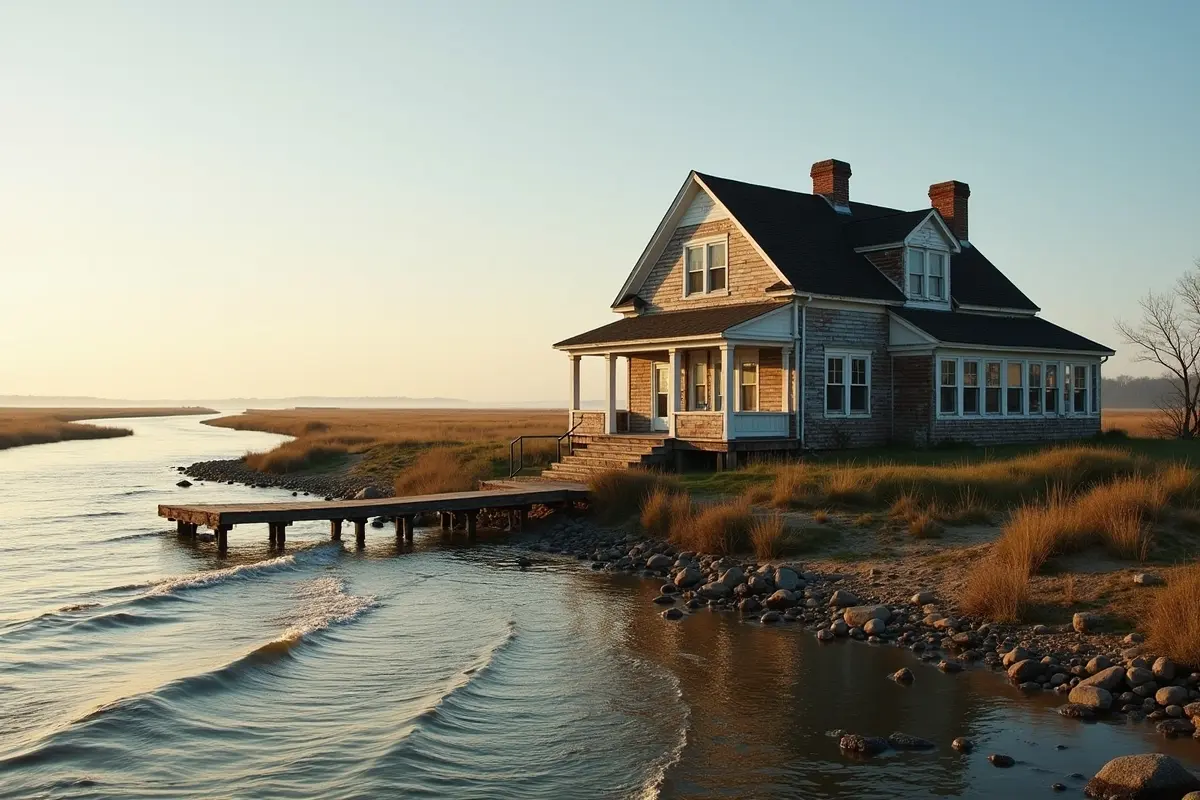
Maryland’s Eastern Shore gives buyers a distinctive mix of small-town centers, tidal waterways, farmland, historic architecture, and quieter roads. Whether the goal is a full-time move, a retirement home, a weekend retreat, or a remote-work base, a thoughtful purchase starts by matching the property to the lifestyle you actually intend to live.
For buyers comparing local communities and property types, Easton MD real estate experts Benson & Mangold Real Estate can provide useful market perspective. Benson & Mangold Real Estate is a locally owned Maryland Eastern Shore firm with offices in communities including Easton, Oxford, St. Michaels, Cambridge, Centreville, Denton, and Chester, and its services span residential, waterfront, rural, land, luxury, and commercial properties.
Start With Lifestyle, Not the Listing
A large parcel outside town may feel ideal during a Saturday showing, while an in-town home near restaurants, medical services, and regular errands may work better for daily life. Before touring seriously, decide whether the home will be used year-round, seasonally, as a rental, or as a future retirement property. Then identify the nonnegotiables, such as walkability, boating access, acreage, a home office, first-floor living, or proximity to family.
Buyers drawn to a downtown setting in Easton, Oxford, St. Michaels, or Cambridge may prioritize neighborhood character and convenience. Buyers focused on boating should put practical water access above a dramatic view. A protected creek with dependable dock access may suit a boat owner better than an exposed shoreline on open water.
Compare Waterfront, Historic, and Rural Homes
Price and square footage are useful starting points, but they do not describe the entire ownership experience. Compare each property type according to its practical demands.
- Waterfront homes: Often appeal through views, recreation, privacy, and access to the Chesapeake Bay or its tributaries. Common concerns include erosion, docks, bulkheads, insurance, drainage, and weather exposure.
- Historic homes: Can offer established locations, craftsmanship, and architectural detail. Buyers should account for older wiring, plumbing, insulation, foundations, chimneys, and potential exterior-review requirements.
- Rural homes: May provide land, barns, outbuildings, gardens, and separation from neighbors. They can also require attention to wells, septic systems, private roads, easements, and land-use restrictions.
Understand Waterfront Ownership Beyond the View
Waterfront ownership involves structures and conditions that may not be obvious from the living room. Ask whether the water depth fits the intended boat, whether the dock and pilings appear well-maintained, and whether shoreline work was properly permitted. Check for standing water, drainage problems, storm damage, salt exposure, and any signs that the bulkhead or riprap might require repair.
Also consider recurring work. Tree care, landscaping, dock repairs, drainage improvements, and shoreline maintenance can affect the real cost of ownership. A smaller home on a sheltered creek can be a more functional choice than a larger house with a difficult approach, aging waterfront structures, or limited usable water access.
Review Flood Risk and Coastal Rules Early
Flood questions should be addressed before the inspection period ends, not after closing. Start by using the FEMA Flood Map Service Center to review available flood hazard information, then discuss the address with an insurance professional, lender, inspector, and other qualified specialists. Flood maps are important, but they are only one part of a property-specific assessment.
Request an insurance estimate early, ask about known flooding or water intrusion, and inspect the crawl space, foundation, drainage paths, and mechanical equipment. If an elevation certificate or past insurance documentation is available, review it carefully. Consider how flood exposure could affect renovation plans, ongoing expenses, and a future resale decision.
Inspect Historic Homes Carefully
Older homes can be rewarding, especially in established Eastern Shore communities, but charm should not replace a detailed inspection. Review the roof, chimney, foundation, windows, heating and cooling equipment, plumbing, electrical service, and evidence of moisture or wood rot. Lead-based paint may also be a consideration in older housing.
If the home is in a historic district, ask whether exterior changes, demolition, additions, or replacement materials require local approval. Build a repair plan that separates immediate safety or water-management work from projects that can be scheduled later. Documentation, realistic contractor timelines, and a repair reserve matter as much as original woodwork or period details.
Plan for Rural Property Systems
Rural homes call for a broader property review because the land and infrastructure can be as important as the house itself. Before making an offer, confirm the well location and testing needs, order a septic inspection, and ask about the septic reserve area. Review a current survey, recorded easements, shared-driveway obligations, private-road maintenance, and the location of visible or underground utilities.
Test mobile reception and internet service at the exact address rather than relying on a provider’s general coverage map. Review zoning, agricultural uses nearby, outbuildings, wetlands, wooded areas, and any conservation restrictions. Usable acreage and reliable access can have more day-to-day value than an impressive parcel size on paper.
Test the Location in Real Life
Drive the routes you expect to use for groceries, health care, work, school, marinas, and regular appointments. Visit at different times of day and on both weekdays and weekends. Check parking, road noise, seasonal traffic, lighting, and the condition of the approach road. A property that feels pleasantly secluded on a brief visit can become inconvenient if ordinary errands take longer than expected.
Build a Complete Ownership Budget
The purchase price is only the beginning. Compare finalists based on estimated mortgage costs, property taxes, homeowners’ insurance, possible flood insurance, utilities, and a realistic maintenance reserve. Add property-specific costs such as well and septic service, private road contributions, dock or shoreline repairs, tree work, historic home repairs, and equipment replacement.
Conclusion
Buying a home on Maryland’s Eastern Shore requires careful attention to more than location and price. Buyers should evaluate lifestyle needs, property condition, waterfront or rural considerations, insurance, regulations, and ongoing costs. Thorough due diligence can help uncover potential responsibilities and support a purchase that fits both current needs and future plans.