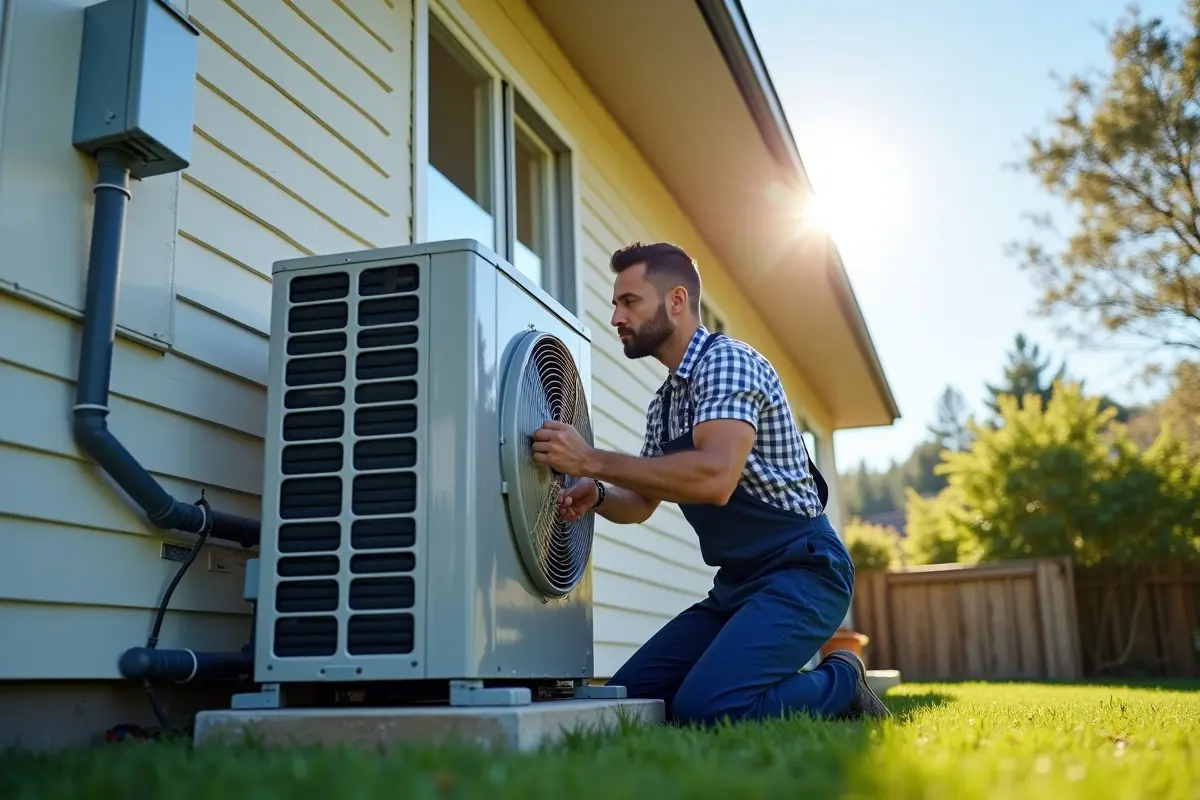
Air conditioning systems help maintain comfortable homes year-round, especially in regions with extreme summer heat or unpredictable weather. Staying ahead of problems with preventive care is key to avoiding sudden failures or costly repairs. Early detection through basic upkeep and attention to common issues leads to greater efficiency and fewer unexpected breakdowns. If your unit is underperforming or needs attention, professional services such as Air Conditioning Repair ensure problems are addressed quickly and effectively.
Keeping your air conditioning system in top shape is easier and less expensive than dealing with major repairs. Many of the most disruptive AC issues can be prevented through regular maintenance, which often starts with homeowners and is reinforced by annual professional inspections.
Proactive steps help identify issues such as electrical malfunctions, refrigerant leaks, and reduced airflow, all of which can negatively impact the comfort and safety of your living space. Having a clear understanding of the types of problems your system is most likely to encounter not only helps prevent them but also equips you to address minor concerns before they develop into system failures.
Simple steps such as changing air filters, inspecting the exterior components, and confirming thermostat accuracy can make a large difference throughout the season. For those seeking more comprehensive information or professional services for air conditioning maintenance, specialized providers ensure seasonal checkups are both thorough and tailored to your specific system’s needs. This helps avoid complications during periods of heavy use.
Contents
Importance of Regular Maintenance
Maintaining your air conditioning system is critical for ensuring optimal comfort during summer and energy savings throughout the year. Skipping scheduled maintenance can lead to gradual wear and tear that goes undetected until a total breakdown.
The majority of system failures originate from electrical strain and lack of upkeep, rather than hardware age. Regularly cleaning or replacing filters, inspecting electrical components, and confirming refrigerant levels can help you avoid more complex problems in the future.
Common AC Issues and Their Prevention
Understanding and preventing frequent AC issues is essential for maintaining system reliability. The top three concerns are:
- Electrical Failures: Over time, internal components such as capacitors or contactors degrade, increasing the risk of sudden shutdowns. Checking these elements during seasonal maintenance reduces unexpected power losses.
- Refrigerant Leaks: Loss of refrigerant lowers cooling efficiency and can damage the compressor. Routine inspections enable early detection and correction of leaks before cooling capacity drops significantly.
- Airflow Obstructions: Blocked ducts, dirty filters, or covered vents force the unit to overwork, which elevates wear. Replacing filters monthly and clearing vent blockages supports even airflow across your home.
Proactive care lets you identify and address small issues before they escalate into more extensive damage or costly repairs. Reliable performance is closely linked to how consistently these steps are carried out.
DIY Maintenance Tips
Many elements of AC care can be managed directly by homeowners. These do not require specialized tools or expertise and can make a noticeable impact on system longevity:
- Filter Replacement: Change air filters monthly, or as specified by your unit’s manufacturer, to avoid dust buildup and ensure clean indoor air.
- Outdoor Unit Inspection: Routinely clear leaves or debris from the outdoor evaporator coil and confirm the unit is unobstructed on all sides for proper airflow.
- Thermostat Settings: Make sure your thermostat is responding to temperature changes and is properly calibrated to keep your cooling schedule on track.
When to Call a Professional
Certain AC issues require trained professionals for safe and effective resolution. Contact an expert if you experience:
- Unusual Noises: Persistent grinding, squealing, or rattling sounds could point to failing mechanical parts or imbalances.
- Inconsistent Cooling: Large temperature differences between rooms or chronically weak airflow often indicate hidden system malfunctions.
- Frequent Cycling: Rapid or irregular on-off cycles suggest problems with electrical controls or settings, requiring inspection and adjustment.
Seasonal Maintenance Checklist
Following a seasonal checklist can streamline AC care and prevent overlooked tasks:
- Spring: Arrange a professional inspection to test overall function before the high-demand cooling months begin.
- Summer: Regularly monitor performance, clear blockages, and check for signs of leaks or overheating.
- Fall: Remove plant matter around the unit, and if not using the AC during winter, cover the outdoor system for protection.
- Winter: Clean and inspect ducts and vents, securing them from pests or obstructions while the unit is idle.
Benefits of Preventive Maintenance
Pursuing year-round maintenance offers noticeable and long-term benefits:
- Cost Savings: Minor repairs and regular cleaning help avoid expensive, emergency fixes.
- Extended Equipment Life: Proper care lengthens the effective service span of your AC system and postpones the need for replacement.
- Improved Efficiency: Systems free from dust and blockages cool more effectively while using less energy, contributing to lower utility bills.
By implementing scheduled maintenance and staying alert to early warning signs, homeowners ensure their air conditioning systems run smoothly throughout every season, providing lasting comfort and long-term savings.
Conclusion
Consistent air conditioning maintenance is essential for ensuring reliable performance, energy efficiency, and long-term system durability. By staying proactive with routine cleaning, filter changes, and seasonal inspections, homeowners can prevent common issues such as electrical failures, refrigerant leaks, and restricted airflow.
While simple maintenance can be handled at home, professional inspections are crucial for identifying hidden problems early and extending the system’s lifespan. Ultimately, a well-maintained AC unit not only reduces repair costs but also ensures consistent indoor comfort year-round, especially during extreme weather.