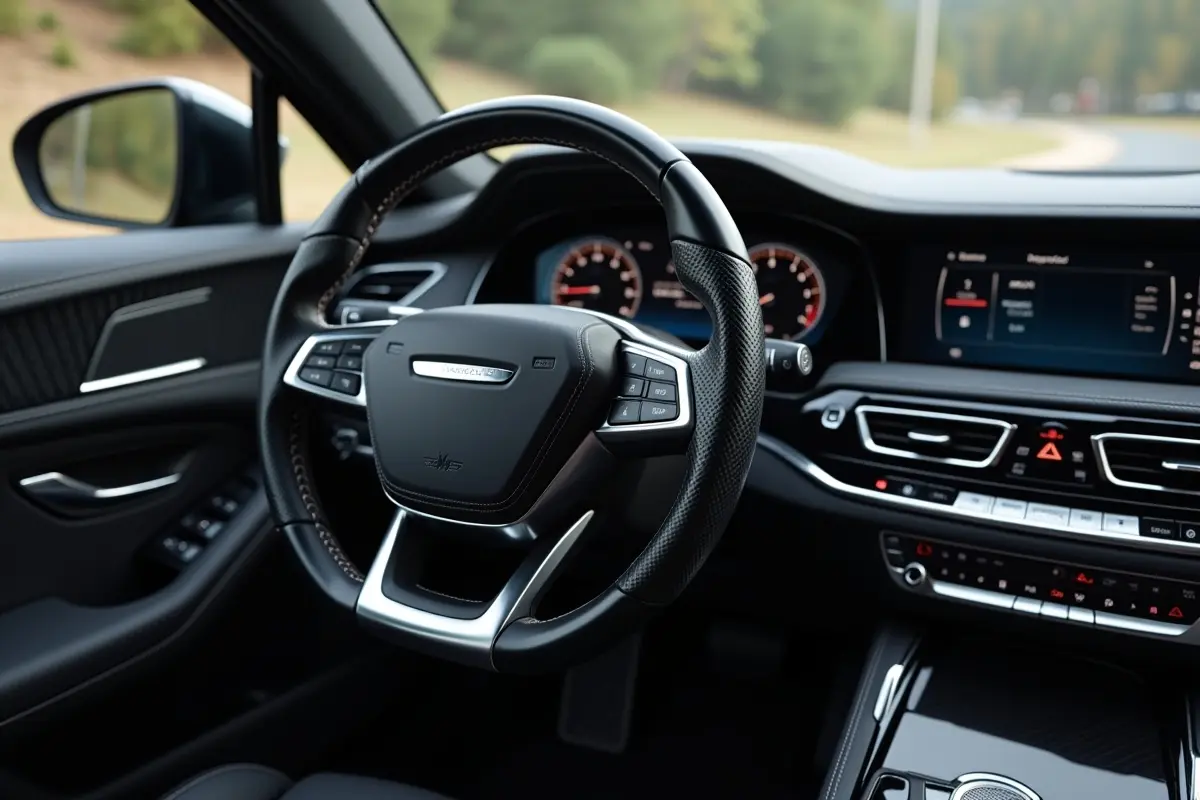
The automotive landscape is undergoing a dramatic transformation as cutting-edge technologies and innovative design shape the vehicles of the near future. By 2026, buyers will encounter a market filled with more choices, more advanced features, and greater variety, making it vital to recognize which developments truly add value, enhance safety, and provide real-world convenience and comfort.
Today’s consumers are more informed than ever, often researching for months before purchase, which elevates the importance of understanding which features warrant the investment. Whether your interest is piqued by the latest advances in electric vehicle technology or by groundbreaking safety systems, distinguishing meaningful upgrades from passing fads is the best way to make a confident, informed buying decision. Learn more about upcoming vehicle trends and innovations to stay ahead of the curve.
In the current era, automobile shoppers expect their next vehicle to be smarter, safer, and even more connected to their digital lives. Technologies once considered futuristic, such as comprehensive driver assistance, integrated voice controls, and advanced telematics, are now either standard or widely available, making it crucial to differentiate between must-haves and nice-to-haves. The overview throughout this guide is tailored to help you navigate the most significant advancements, highlighting practical and innovative features that enhance daily use while fitting your unique lifestyle and driving needs.
The new cars of 2026 are defined by an impressive convergence of sustainability, technical innovation, and progressive design. Electric drivetrain options will increasingly dominate lineups, reflecting growing environmental consciousness. Meanwhile, improved digital interfaces and advanced security features will further enhance both the driving experience and overall peace of mind for drivers and passengers alike. Learn more about the latest eco-friendly and tech-forward vehicles shaping the next generation of driving.
Advanced Driver Assistance Systems (ADAS)
Advanced Driver Assistance Systems have become an essential pillar of modern vehicle safety and convenience, evolving well beyond traditional cruise control or simple alert systems. Today’s ADAS can include a suite of technologies such as adaptive cruise control, capable of automatically adjusting speed to maintain a safe distance from traffic ahead; lane keeping and lane centering assist; and forward collision warning paired with automatic emergency braking.
These systems’ capabilities include traffic sign recognition and pedestrian detection, providing drivers with additional layers of protection across a range of real-world scenarios. Notably, the U.S. National Highway Traffic Safety Administration (NHTSA) is set to update its vehicle crash ratings for the 2026 model year to explicitly include the presence and effectiveness of systems like pedestrian automatic emergency braking and blind spot monitoring.
These changes underscore how crucial advanced safety tech has become: not only do these systems reduce accident risk, but they also offer drivers critical reassurance in busy or challenging driving conditions.
Electric Vehicle (EV) Capabilities
The strong push toward sustainability is remaking what consumers look for in their next car, especially as electric vehicles become ever more mainstream. For shoppers in 2026, the practicalities of EV ownership, battery range, compatibility with public charging networks, access to fast-charging infrastructure, and even the ability to charge at home using solar power have risen to the top of the list.
With more automakers offering vehicles with multiple battery sizes, drivers can tailor driving range and price to perfectly fit daily commuting, long-distance travel, or anything in between. In addition, factors such as overall efficiency, real-world charging speed, and how well the car integrates with smart home energy management systems are now critical.
The jump from early EVs to the vehicles of 2026 includes sophisticated regenerative braking, vehicle-to-grid capabilities, and improved battery longevity, all of which make owning an electric car a compelling proposition for a growing segment of buyers.
Infotainment and Connectivity
Modern drivers view digital interfaces as the centerpiece of their driving experience. Consequently, manufacturers have greatly expanded in-car entertainment and connectivity options for 2026. Wireless smartphone integration, including Apple CarPlay and Android Auto, lets you seamlessly access apps, contacts, and navigation from your phone, without plugging anything in.
Advanced infotainment touchscreens are larger, more intuitive, and frequently supported by responsive, AI-powered assistants. These systems enable navigation, climate adjustment, call management, and media control via natural speech commands, creating a distraction-minimal environment.
For many, the quality and capabilities of the infotainment system can be a deciding factor in vehicle choice. Enhanced cloud connectivity, over-the-air software updates, and in-car WiFi hotspots ensure that drivers remain connected whether commuting in the city or embarking on road trips.
Biometric Access and Security
Security and personalization have taken on a new dimension thanks to biometric technology, which many vehicle makers are implementing as both a convenience feature and a means of enhancing theft prevention. Advanced vehicles like the Hyundai Genesis GV60 are already demonstrating how facial recognition cameras and fingerprint sensors can replace traditional keys, ensuring only authorized users can operate or even access the car.
Biometric controls aren’t just about security; they enable full customization for each driver, from seat adjustments and climate preferences to infotainment profiles tied to individual users. With the increased threat of digital and physical theft, drivers in 2026 are more likely to seek out these features as standard, enhancing assurance every time they get behind the wheel.
Augmented Reality (AR) Dashboards
Imagine driving with navigation cues, speed information, and hazard alerts projected right onto your windshield. Augmented reality displays are redefining how vital information is presented to drivers. The latest AR dashboards can overlay directions, speed limits, and warnings directly in the line of sight, providing real-time updates and reducing the time your eyes spend away from the road.
Such systems improve situational awareness and response time, whether driving through dense city streets, on highways, or in unfamiliar areas. As more vehicles integrate these AR systems, drivers will benefit from safer, less distracting, and more immersive experiences.
Sustainable Interior Materials
The trend toward sustainability continues inside the cabin, where innovative materials are changing what luxury looks and feels like. Automakers are increasingly employing recycled plastics, plant-based and vegan leathers, and organic or upcycled textiles for interior surfaces, headliners, and flooring. The use of materials like upcycled fishing nets not only makes cabins eco-friendlier but also encourages responsible sourcing throughout the supply chain.
For buyers who prioritize environmentally conscious choices without compromising on quality or style, these thoughtfully crafted interiors strike a balance between sustainability and a premium feel. The eco-friendly car interior is becoming a powerful differentiator in the competitive automotive landscape.
Over-the-Air (OTA) Software Updates
Nobody wants to be left behind as technology evolves. Over-the-air software updates have quickly become a must-have feature, enabling automakers to deliver improvements, patches, and entirely new features remotely, no dealership trips required. This not only minimizes hassle but also ensures cars are equipped with the latest cybersecurity defenses and driving algorithms.
Owners appreciate the peace of mind that comes from knowing their vehicle will improve over time, and many see it as a guarantee of long-term value retention. As cars become increasingly software-driven, OTA updates ensure vehicles remain at the cutting edge for years, effectively future-proofing the purchase and tying ownership to a continually evolving experience.
Final Thoughts
In summary, the top new cars of 2026 marry breakthrough innovation with practical design, offering drivers an exciting mix of advanced safety technology, electric performance, next-generation infotainment, cutting-edge security, intelligent AR dashboards, sustainable interiors, and ongoing software enhancements. Focusing on these must-have features while evaluating your next vehicle will not only ensure it meets your needs today but also guarantee lasting satisfaction as the automotive world continues to evolve.