

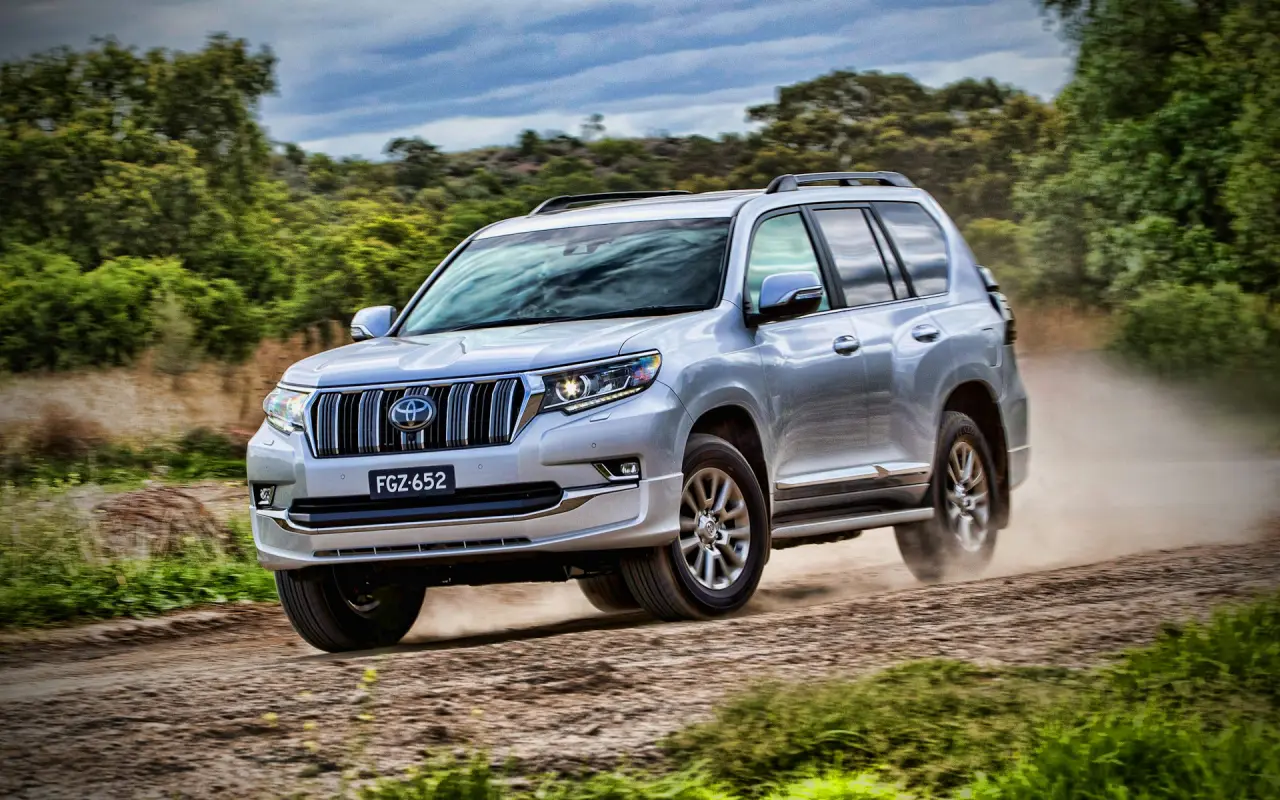
Selecting the right SUV can be a complex and sometimes overwhelming process, given the wide variety of models, sizes, and features available in today’s automotive market. With automakers continually adding new technology and updating designs, the choices are broader and more enticing. Today’s SUVs are designed to meet a diverse range of needs—from practical family transportation to rugged off-road capability, as well as for those who prioritize luxury comfort or top-tier performance.
Before making a purchase, it’s crucial to understand what sets different models apart, which features truly matter to you, and what will suit your lifestyle best. Learn more for a comprehensive listing of the newest SUV inventory and additional details on available models.
Assessing various aspects—from interior roominess and cargo flexibility to cutting-edge technology and advanced safety systems—will help you make a confident decision. This guide explores the most important factors to consider so you can choose your next SUV with clarity, assurance, and peace of mind about your investment for years to come.
Contents
Understanding Your Needs
The beginning of your SUV search should focus on your primary requirements and the specific activities you plan to use your SUV for. Are you looking for a reliable family hauler to drive kids to school and sports practices, a vehicle with enough versatility for frequent outdoor adventures, or something luxurious and comfortable for long daily commutes or road trips? Identifying what matters most to you—whether that means advanced safety systems, ample towing capacity, all-wheel drive for harsh weather, or a plush leather interior—will help narrow your choices.
It’s also crucial to consider less obvious needs, such as extra ground clearance for rough roads or a large cargo area for hobbies such as biking or camping. Clarifying your main use cases and absolute must-have features ahead of time can significantly streamline your search, saving time and preventing costly regrets later.
Size and Space
Evaluating your space requirements is one of the most critical steps in the SUV selection process. Compact SUVs are ideal for city dwellers and small families, offering easy maneuverability, efficiency, and the confidence to navigate tight parking spots or busy urban streets.
Midsize SUVs offer a more balanced blend of comfort, space, and capacity, making them popular for families who desire ample legroom, cargo space, and features without moving into the largest vehicle segment. Full-size SUVs deliver maximum passenger and cargo space, often equipped with powerful engines and the ability to seat up to eight passengers—excellent for large families, those who frequently travel with friends, or anyone with substantial gear-hauling needs.
Consider not just the number of seats but also how easy it is to access the third row, how flat the seats fold, and which models offer storage solutions like under-floor bins or split-folding rear seats. A vehicle’s usability can change drastically based on these design decisions.
Fuel Efficiency
The fuel economy remains a top priority, especially as gas prices fluctuate and consumers become more environmentally conscious. Compact SUVs usually offer the best fuel efficiency in the SUV category, but even midsize and full-size models now feature increasingly efficient engines, hybrid powertrains, and fully electric options.
Hybrid and plug-in hybrid SUVs can help families lower long-term fuel costs and reduce environmental impact without sacrificing space or versatility. Entirely electric SUVs are an attractive option for those seeking zero-emission driving and improved performance, with range and charging infrastructure improving yearly.
Pay attention to EPA ratings for city and highway driving, and compare the annual fuel cost estimates in every new vehicle’s window sticker. Your driving patterns—city commutes, highway road trips, or a combination—can influence whether a traditional gas engine, a hybrid, or a fully electric SUV will be the most economical and practical choice for you.
Safety Features
Today’s SUVs often come equipped with a suite of advanced safety technologies designed not only to protect passengers during a crash but also to actively prevent many accidents from happening. While virtually every new model includes basic features such as airbags and stability control, higher trims and newer models add systems like adaptive cruise control, lane-keeping assist, blind-spot monitoring, and automatic emergency braking.
Some models even include surround-view cameras and rear cross-traffic alert for enhanced confidence when parking or reversing. When comparing SUVs, consulting vehicle safety ratings from independent testing organizations such as the National Highway Traffic Safety Administration (NHTSA) is wise. These ratings provide an unbiased look at crash test results and overall vehicle safety, making it easier to see how different models stack up in real-world scenarios.
Performance and Handling
Performance in an SUV means more than just raw power—it includes aspects like engine responsiveness, smooth acceleration, handling characteristics, and towing capability. If you need to tow trailers, boats, or campers, prioritize models with higher horsepower, torque ratings, and available tow packages. All-wheel or four-wheel drive systems are indispensable for those living in regions with harsh winters, unpaved roads, or mountainous terrain, as they significantly improve traction and control under challenging conditions.
For drivers in primarily urban environments, front-wheel drive may be preferable, offering better fuel economy and often a lower entry price. Ride comfort, road noise, and suspension tuning significantly impact everyday enjoyment. Always read reviews and pay close attention during test drives to these subtleties, since a vehicle that excels on paper might not deliver a satisfying driving experience for your needs.
Technology and Infotainment
The modern SUV is more technologically advanced than ever, boasting infotainment systems designed to keep you connected, informed, and entertained on every journey. User-friendly touchscreens, voice command integration, and smartphone connectivity via Apple CarPlay and Android Auto are now expected, alongside built-in navigation, Bluetooth, and wireless charging pads. Many new SUVs also feature large digital instrument clusters, head-up displays, customizable ambient lighting, and an array of USB ports for rear passengers.
Driver-assistance technologies, such as adaptive headlights, remote start, hands-free liftgates, and parking sensors, further boost convenience and safety. Over-the-air software updates are becoming common, letting vehicles add new features or fix bugs without a visit to the dealership, contributing to long-term value and relevance.
Budget and Resale Value
Defining a realistic budget is crucial to the SUV selection process, encompassing more than just the sticker price. Vehicle ownership comes with ongoing costs, including maintenance, insurance premiums, fuel, and routine servicing. Beyond initial affordability, it’s wise to consider which models or brands are known for reliability and tend to hold their value well over time.
Automaker reputation, proven longevity, and strong market demand contribute to better resale value, which in turn helps reduce your total cost of ownership. Utilize trusted industry tools and websites to research depreciation rates and resale trends for models you’re interested in, so there are no surprises a few years later when it’s time to move on from your SUV.
Test Driving and Research
No amount of reading, research, or video watching can replace the value of a real test drive. Experiencing several SUV models back-to-back at the dealership will give you true insight into differences in seat comfort, interior layout, handling, visibility, and technology features in practice. If possible, try to bring your regular passengers or typical cargo along to see how the space works for your needs.
Additionally, it’s wise to read expert reviews, browse owner forums, and speak to friends or colleagues who drive similar vehicles to get a sense of long-term satisfaction, common problems, and actual day-to-day performance. More information on what to look for during a test drive can be found in this helpful Consumer Reports guide.
By carefully weighing each of these factors and dedicating time to thorough comparisons and test drives, you can confidently select an SUV that fits your family’s lifestyle, budget, and preferences. This will ensure that your investment delivers satisfaction and reliability long after you drive off the lot.


