The rise of smart air conditioning technology is changing the way people create and maintain comfortable environments in their homes and workplaces. By leveraging advanced technologies such as artificial intelligence, Internet of Things connectivity, and intelligent sensors, today’s cooling systems offer unprecedented levels of climate control and efficiency. Many homeowners in Texas, for example, are upgrading to air conditioning systems that adapt to their needs and help manage energy consumption.
These advances do not just make living spaces more pleasant; they also address critical needs for energy savings, healthier indoor air, and proactive system maintenance. As a result, smart air conditioning is becoming an essential part of modern, sustainable living.
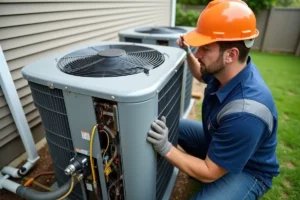
As reliance on these systems grows, so does the need for reliable services like air conditioning repair. Fast, professional service ensures that smart air conditioning units continue to deliver the high standards of comfort and efficiency homeowners expect.
Contents
AI Integration and Personalized Comfort
Today’s smart air conditioning systems use artificial intelligence to analyze and respond to patterns in occupants’ behavior. The use of AI allows the system to, for instance, remember preferred temperatures at certain times of day or automatically lower output when a room is unoccupied, ensuring comfort and reduced waste. By referencing outdoor weather conditions and even tracking movements within the home, these systems dynamically control cooling to deliver optimal results with minimal user intervention.
Energy Efficiency and Cost Savings
The financial and environmental impacts of heating and cooling motivate many homeowners to seek energy-saving systems. Smart air conditioners incorporate variable-speed compressors and adaptive fan speeds to precisely match cooling output with real-time demand. By operating only as needed, these systems help cut electricity bills and reduce strain on the power grid, a benefit especially important during peak use in hot climates. Real-time energy reports let users track their usage and make data-driven choices to optimize savings.
Smart Zoning and Customized Cooling
With smart zoning, air conditioning systems divide homes into distinct areas, each with its own controls. This means cooling is delivered only to occupied spaces, eliminating energy loss and creating a more comfortable environment throughout the property. Occupancy sensors detect when people enter or leave rooms, automatically adjusting temperature settings to prevent overcooling empty areas. This focus on efficient, targeted comfort is shaping the new standard for both convenience and sustainability in climate control.
Predictive Maintenance and System Longevity
Smart air conditioning technology can detect and notify homeowners of irregularities such as declining performance, abnormal humidity, or airflow disruptions. Timely alerts enable resolving small issues before they escalate into costly failures, extending the system’s life and avoiding unnecessary downtime. Predictive maintenance is not only cost-effective but also vital to ensuring sustained efficiency and reliable cooling during critical heat periods.
Enhanced Indoor Air Quality
Indoor air quality has become a significant concern, particularly in highly insulated, modern homes. Smart air conditioning systems routinely incorporate advanced filtration, humidity control, and even UV-C sterilization to help remove airborne contaminants, allergens, and pathogens. Features like HEPA-grade filters and air ionizers actively reduce dust, mold spores, and bacteria, contributing to a healthier home environment. Enhanced monitoring ensures these benefits are consistently maintained, making the space safer and more comfortable for all residents.
Integration with Renewable Energy Sources
Many smart air conditioning systems are compatible with renewable energy sources, such as roof-mounted solar panels, or can connect to utility smart grids. By synchronizing operational cycles with periods of abundant solar or wind energy, these systems help reduce reliance on non-renewable sources and support long-term sustainability goals. In some advanced installations, air conditioners can adjust their energy use in response to grid signals, helping utilities balance supply and demand and promote more responsible consumption practices.
Future Trends in Smart Air Conditioning
The smart air conditioning landscape is set to continue evolving, with ongoing improvements in voice control, sensor accuracy, and interconnectivity with other home devices. Future systems may leverage expanded IoT networks to offer even more detailed customization and tighter integration with home energy management. As the industry moves forward, these innovations are expected to deliver even greater convenience, comfort, and environmental stewardship, accelerating the adoption of smarter, greener living spaces.
Conclusion
Smart air conditioning technology is changing the way modern homes operate, enabling intelligent comfort, cost savings, and cleaner air while reducing environmental impact. Homeowners and businesses looking to adopt these solutions are setting the stage for a future where comfort and sustainability go hand in hand.